Updated June 12, 2026
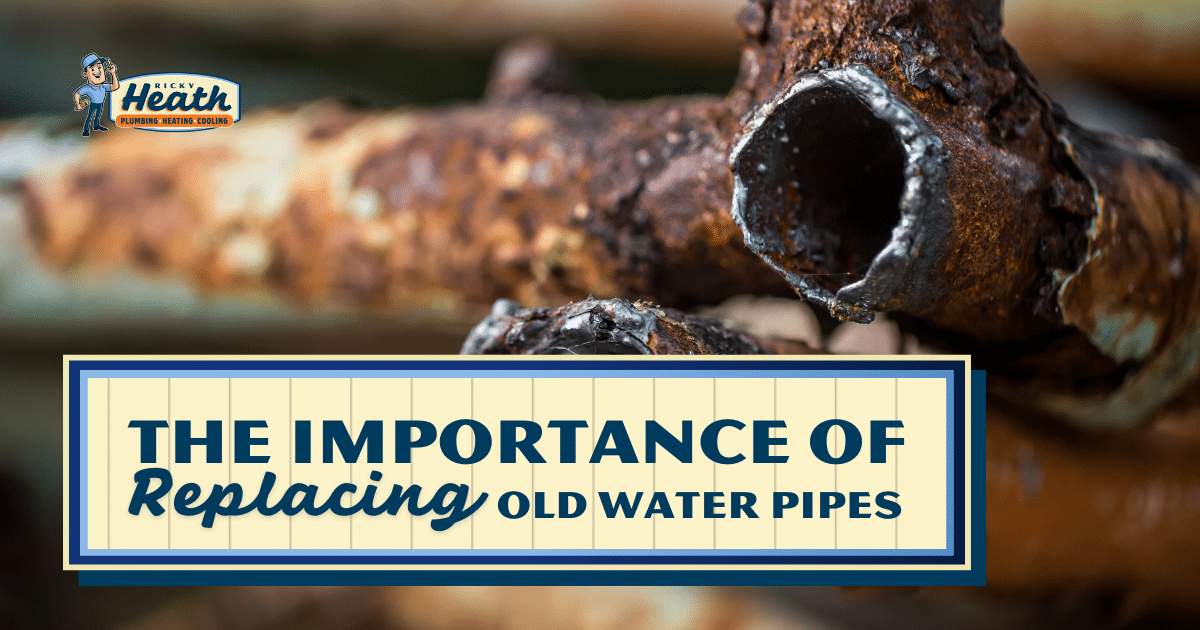
Old water pipes aren’t just clunky, they also pose a health risk to you and your family. Old pipes in your house may contain unsafe materials if they were installed before 1986, while pipes installed after may corrode and contaminate your water. Old pipes also have a higher risk of bursting, leading to a messy and expensive cleanup.
Learn the benefits of replacing your old pipes, the signs it’s time for a replacement, and what to expect when you replace your pipes so you can find the best solution for your home.
Why Replacing Old Pipes Matters in Macon, GA
There are many benefits of replacing old pipes before problems start to appear, especially when you consider the importance of plumbing care for older homes in Macon, Georgia. Benefits include:

Water safety
Depending on when your home was built, it may not have included the safety requirements we have today. In Georgia, lead pipes were banned in 1986 for new home construction, but that legislation didn’t require homes built before that time to replace the old pipes. If your home was built before then, there’s a chance your old pipes may contain lead.
Even for homes built after that time, older pipes still decay and reduce your water quality. A professional plumbing inspection is the best way to make sure your pipes are safe and up to code.
Maintain water pressure
When old pipes start to corrode, particulates build up inside the pipes and alter your water pressure. Low water pressure is frustrating and uncomfortable, while high water pressure can cost you in water bills. Replacing old pipes helps return your taps and showers to a comfortable and efficient flow.
Improve efficiency
If your water pressure drops, that also means that your water pump has to work harder to deliver water. New pipes provide a clean flow, reducing the burden on your water system and saving you money on your energy bills.
Signs Your Old Pipes Need Replacing
Keep an eye out for the following issues that indicate it’s time for new pipes.
Low water pressure
A drop in water pressure may signal a clogged or corroded pipe. While this may also be caused by a foreign object lodged in the pipe, your plumber will identify the source using camera inspection technology and recommend the best course of action before water builds up and causes a leak.
Strange noises
When your pipes are functioning correctly, you shouldn’t notice any noises. However, old pipes often make bumping, gurgling, and other unexpected sounds. Noises may signal blockages, loose pipes, or a potential leak in the plumbing system.
Mold and mildew
Hairline cracks and pipe leaks may not be readily noticeable, but they may lead to mold and mildew growth, particularly if the leak is behind a wall. Mold in unusual places is often the first visible sign of a problem.
Rising water bills
If you’ve noticed a sudden increase in your water bill that’s unrelated to your water usage, you may have a leak in your pipes. Wear and tear in old pipes often leads to small leaks that reduce the efficiency of your water system. If the leak is in a hard-to-reach place, it may go unnoticed for a while and lead to water damage in your home. Replacing your old pipes reduces the risk of unexpected leaks.
The Risks of Keeping Old Water Pipes in Your House
Keeping old pipes beyond their lifespan can lead to costly consequences, including poor water quality and expensive repairs.
Poor water quality
When old pipes corrode, rust and other contaminants may seep into your drinking water, causing a strange color, odd taste, and potential health risks. While a water filter may remove some visible contaminants, the safest option for your water quality is to replace the corroded pipes.
Burst pipes
There are few maintenance emergencies more unpleasant than a burst pipe. Old pipes are more vulnerable to temperature fluctuations, so those 30-degree Macon winters can cause a problem.
Corrosion and rust in old pipes may lead to burst lines, frequent drain backups, and floods. At best, you’ll face a lengthy water cleanup process and costly repair. At worst, a sewage pipe can break and cover your belongings in sewage. Replacing old sewage pipes and water lines before they become corroded is the safest way to avoid an unpleasant incident.
Costly repairs
Emergency plumbing repairs, such as leak repair or drain clearing, can quickly become expensive because delays can result in serious damage to your home. Water leaks can damage wood floors and furniture, creating a ripple effect of repairs.
What To Expect When Replacing Old Water Pipes
Most water pipe replacements follow these six basic steps:
Step 1: Plumbing inspection
A licensed plumbing inspector goes through your entire home and examines your pipes. If you have access to records detailing the type of pipes, when they were installed, and any previous repairs, this will help speed up the process.
Step 2: Assessment and recommendations
Once your plumber has assessed the condition of your pipes, they’ll recommend repairs, partial replacement, or a full replacement. They’ll also provide recommendations on the best type of new pipes for your home.
Step 3: Old pipe removal
If you’re replacing all your pipes, your plumber will create a plan to reduce the disruption to your home. Then, they’ll shut off the water and work through each section of your house. In some cases, this may require cutting into a part of your wall or floor to access the pipes. The water is shut off for the entire time the plumber is working, so this is a great time to get out of the house and enjoy a day out at Lake Tobesofkee.
Step 4: Installation
Once the old pipes are removed, water and sewer line installation is fairly straightforward. Your plumber installs the pipes and seals any connections.
Step 5: Water testing
Next, they’ll turn on the water and test every faucet and appliance. They’ll also check your water pressure and inspect the new pipes to make sure there are no leaks or weak connections.
Step 6: Repair and cleanup
Finally, they’ll repair any sections of walls or floor that had to be cut for access. Note that some types of repairs, like drywall repair and finishing, may require a different professional service. Save on your total cost by adding finishing touches like painting yourself.
Call Ricky Heath To Book Your Water Pipe Replacement Today
Whether your old water pipes are nearing the end of their service life or you’ve noticed a suspicious leak, Ricky Heath Plumbing, Heating, and Cooling delivers the quick, reliable service you need. We’re here for all your water and sewage line concerns, from basic inspections and maintenance to emergency repairs.
Our licensed professionals deliver top-notch customer service, helping you find plumbing solutions to fit your home and budget. Contact us today to book your next plumbing service in the greater Macon area.
Frequently Asked Questions
Will replacing pipes eliminate rusty water?
Replacing old pipes will greatly reduce the amount of corrosion in your water. However, your water supply may still have some rust due to corrosion in the municipal line. Water filtration can help remove any lingering particles.
How long do water pipes last in Georgia homes?
If you choose a durable pipe material, you can expect your pipes to last up to 50 years. The best options for Macon, GA, are PEX and copper.
Do all old pipes need to be replaced at once?
While you don’t need to replace all old pipes at one time, you’ll ultimately be glad you did. A plumbing system is only as good as its weakest pipe, so replacing all pipes ensures the entire system functions properly.
Will replacing pipes increase my home’s value?
Yes, repiping is a great way to boost your home’s value if your current system is outdated. Depending on the market, this upgrade can boost value by anywhere from 2% to 20%.