Updated June 12, 2026
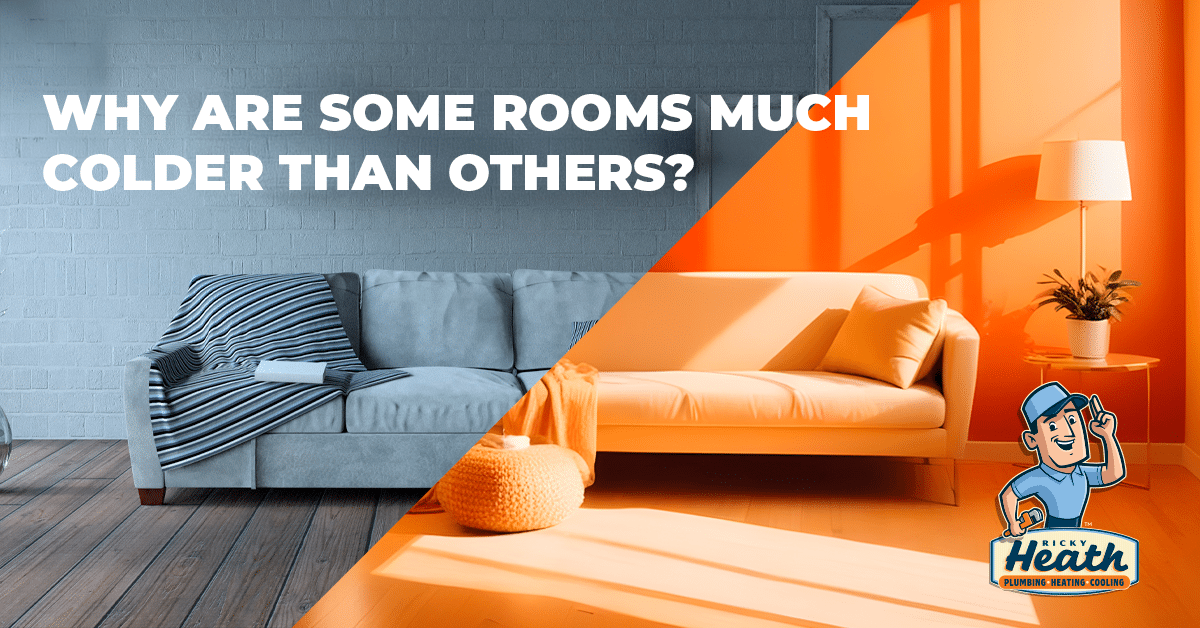
As the chilly winter days hit Georgia, you rely on your heating system more than ever to keep your home comfortable as the temperatures drop. If temperatures vary from room to room, your HVAC system may need repair. Learn why some rooms are colder than others and the steps you can take to restore even, energy-efficient heating.
Key Points
- Uneven temperatures stem from system-level design issues and component-level HVAC problems.
- HVAC failures, such as blower motor or thermostat issues, can make bedrooms colder than the rest of your house.
- Zoning solutions and system upgrades offer long-term solutions when uneven temperatures persist despite maintenance and basic troubleshooting.
Common Causes of Uneven Heating in Your Home
- Blocked ductwork: If insects, pests, or debris get into and obstruct your ductwork, they limit airflow throughout your house, causing some rooms to be colder than others.
- Poor duct design or layout: Long duct runs, sharp bends, or poorly planned branch lines reduce airflow to rooms farther from the heating system. These design limitations create noticeable temperature differences throughout the home.
- Closed or blocked air vents: Prevent warm air from your HVAC system from entering the room, leading to uneven temperatures.
- Poor insulation: If your home has inadequate insulation, heat will escape through walls, ceilings, or windows, making some rooms colder and requiring your HVAC to work harder to heat your home.
- Incorrectly sized heater: If your furnace is too small for your home, it won’t generate enough heat to warm it evenly. If it’s too big, it may cycle on and off too frequently, never allowing your home to reach the set temperature.
- Thermostat placement: If your thermostat is near a heat source, sunlit area, or drafty room, it can produce false readings, leading to short cycling or unbalanced temperatures throughout your home.
- Ceiling height and layout: Rooms with high ceilings or open layouts may cause warm air to rise more quickly. The living space below remains cooler, even while upper levels hold more heat.
- Drafty windows and doors: Air leaks around windows and doors allow cold air to enter and warm air to escape. Rooms with noticeable drafts often feel colder than the rest of the house, regardless of thermostat settings.
HVAC System Issues That Lead to Cold Rooms
Temperature variations between rooms can be caused by several HVAC system problems, from dirty filters to faulty control boards. Some of the most common culprits include:
- Dirty air filter: When dust, debris, or other contaminants build up in your air filter, it restricts airflow, making it harder for your HVAC system to evenly distribute air throughout your home.
- Faulty thermostat: When the thermostat malfunctions or breaks, it will send inaccurate readings to your heating system, causing it to heat or cool rooms unevenly.
- Blower motor failure: The blower motor pushes heated air through the duct system. When it weakens or fails, airflow drops, especially to rooms farthest from the unit.
- Failing heat exchanger or heating elements: Degraded heat-producing components reduce overall heat output. Some rooms may feel comfortable, while others remain noticeably colder.
- Control board or sensor failures: Modern HVAC systems rely on electronic controls. Faulty sensors or control boards disrupt heating cycles and airflow timing, resulting in inconsistent temperatures.
- Short cycling: Internal overheating, sensor errors, or electrical issues cause the system to shut off prematurely and prevent warm air from distributing evenly throughout the home.
Steps To Identify Cold Room Causes
If you’re dealing with one room colder than others in your home and are unsure what the cause is, there are a few troubleshooting steps you can take before calling a professional. To diagnose the reason behind cold rooms in your house, try these steps:
- Step one: Check that the system is receiving power and there are no tripped breakers.
- Step two: Verify that the thermostat is set to the correct temperature and setting.
- Step three: Ensure all air vents are open and unblocked. Place your hands near the vents to verify airflow.
- Step four: Inspect your heater’s air filter and replace it if it appears dirty.
- Step five: Look for signs of leaks, damage, or disconnections in your ductwork.
- Step six: Inspect walls, ceilings, and windows for drafts that may allow cool air to enter.
- Step seven: Check for ice, leaks, and dirty buildup around condenser coils.
Why Middle Georgia Homes Often Experience Uneven Heat
Uneven heating is especially common in homes in Middle Georgia due to climate and building factors. In Macon neighborhoods such as Vineville, Bloomfield, and North Macon, older homes often have sheet-metal ductwork that deteriorates, separates, or leaks as it ages, reducing airflow efficiency. Georgia’s humid climate further exacerbates the problem by accelerating insulation breakdown and causing duct sweating, which reduces insulation performance and overall heating efficiency.
Ranch-style homes frequently have long duct runs that make it harder for warm air to reach distant rooms, while two-story homes built during the 1990s and early 2000s often lack proper zoning, leaving upstairs bedrooms too cold or hot. Bonus rooms and spaces above garages commonly lack adequate insulation and allow heat to escape quickly.
When Should You Consider Zoning or System Upgrades?
If one room is colder than others during winter, temperature differences are more noticeable between floors, or heating efficiency worsens after home additions or renovations, zoning and system upgrades may address the root cause.
Zoning systems separate a home into independently controlled areas using motorized dampers, allowing heating to match the specific needs of different spaces. System upgrades or a new furnace may also be necessary when existing equipment is outdated, improperly sized, or unable to support zoning.
Benefits of zoning and system upgrades include:
- More consistent temperatures across multiple floors and distant rooms
- Better comfort in rooms above garages or in large, open layouts
- Reduced strain on heating equipment
- Improved energy efficiency and lower heating costs
- Precise control over indoor comfort in frequently used areas
Professional Solutions To Fix Uneven Heating
The best way to prevent temperature imbalances in your home is to stay up to date with HVAC maintenance. Scheduling annual tune-ups helps keep your heater running properly, reduces wear and tear, and extends its service life. You’ll see more consistent heating throughout your home and catch issues early on to prevent them from progressing.
If you’ve tried troubleshooting hot and cold spots and can’t determine the cause behind your home’s uneven temperatures, contact a professional HVAC technician to schedule an inspection. They have the training and experience to quickly diagnose heater problems and restore even heating throughout your home.
Often, the issue can be resolved with a quick fix that only requires professional HVAC repair.
Call Ricky Heath for HVAC Repair in Georgia
If you’re struggling to maintain a consistent temperature throughout your home, contact our team at Ricky Heath for expert HVAC repair or replacement in Georgia. We’re available around the clock, ready to assist when your home heating goes awry. Contact us to schedule your service today. We proudly serve homes in Macon and the surrounding areas.