
Updated June 12, 2026
Nothing is more unpleasant than walking into your home and being hit by a waft of sewage odor. When you have a sewage smell in your house, whether in the bathroom, kitchen, or basement, understanding the potential causes helps you take the appropriate action. Explore the common causes of sewer smells in your house and when to call the certified plumbers at Ricky Heath.
What Causes a Sewage Smell in Your House?
Sewer odor is caused by gases — primarily hydrogen sulfide and methane, carbon dioxide, and ammonia — that escape from your plumbing system. Usually, your home's plumbing is designed with traps and vents that prevent these gases from entering your living space. However, when something disrupts that system, these gases can enter your home. Left unaddressed, these unpleasant odors may also cause headaches, nausea, drowsiness, and other symptoms.
Sometimes, all you need is a simple fix, like running water in an unused sink. If you’re dealing with a more complex issue, such as clogs or multiple slow drains, it’s time to contact a professional plumber from Ricky Heath.
10 Common Causes of Sewer Smells in a House
What's causing sewer odors in your Macon area home? Here are 10 common causes.
1. Dry or empty P-traps and S-traps
Dry traps are among the most common causes of sewer smells in the house, especially in guest bathrooms or basement sinks that aren't used regularly. P-traps, or S-traps in older homes, are U-shaped pipes commonly found under toilets, sinks, floor drains, and other plumbing equipment, and they hold water that creates a seal against sewer gases. When a trap sits unused, the water evaporates, leaving an open path for sewer smells to rise from your drain. Usually, you just need to refill the trap by running water for a minute or two.
2. Blocked or clogged sewer line pipes
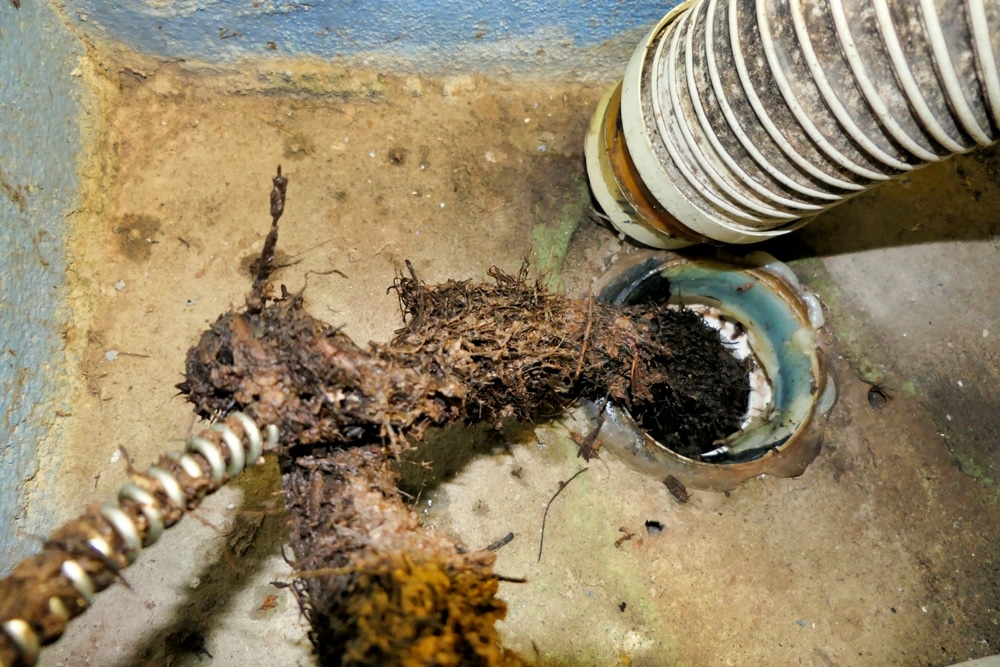
Clogs and blockages prevent proper drainage. Blockages can cause debris in your plumbing system to continue accumulating, resulting in more severe blockages and further decay.
3. Cracked or broken sewer lines
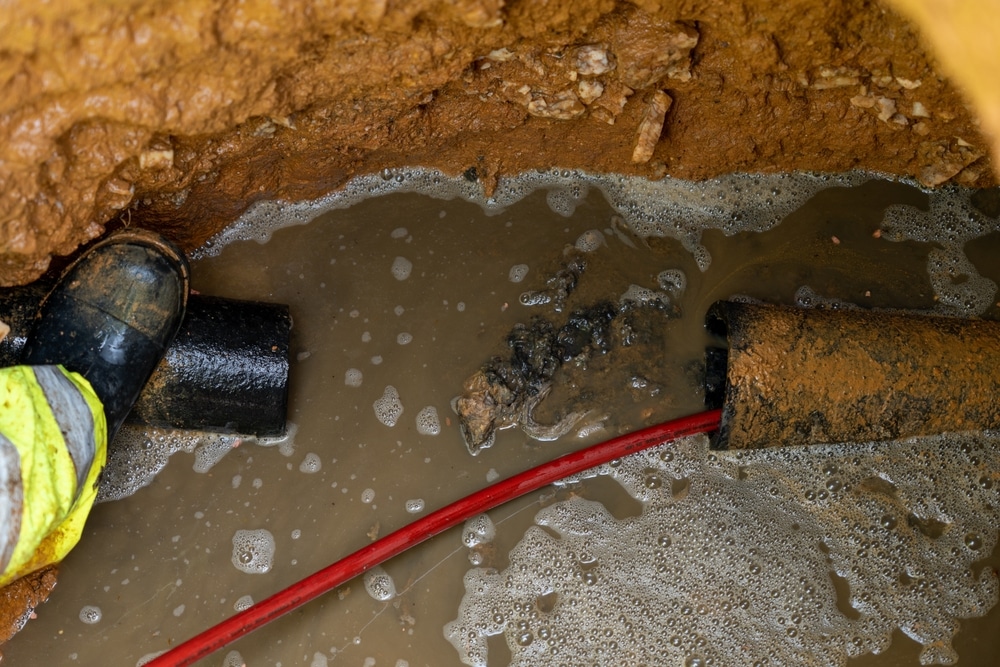
Over time, sewer lines may crack due to age, shifting soil, or tree root intrusion. In Macon, clay soil and mature tree roots can be particularly tough on underground pipes. A cracked sewer line not only smells terrible but can also cause raw sewage to back up into your home or yard. You may need your sewer line repaired or replaced entirely.
4. Damaged wax ring on toilet
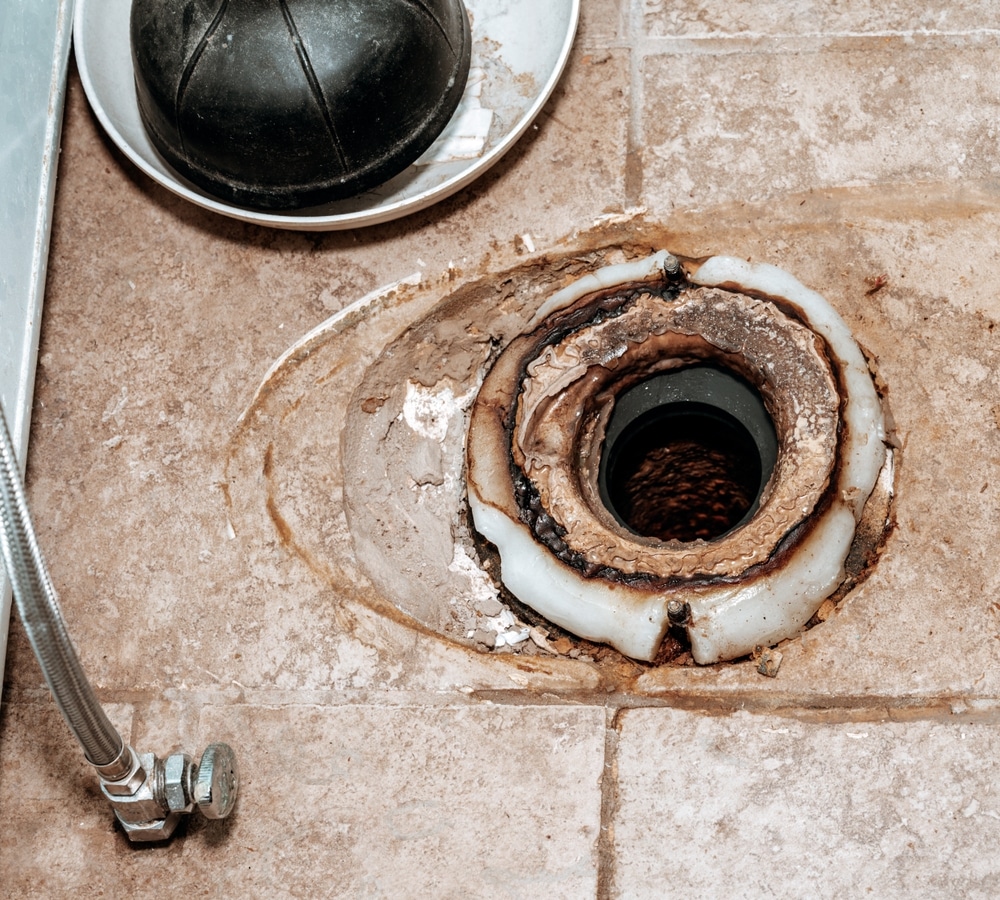
A toilet sits on a wax ring, creating a watertight seal between the toilet and the drain pipe. When this ring deteriorates or gets damaged, sewer gases can seep out around the base of your toilet. You may notice water around the base and strong sewer smells.
5. Loose cleanout caps
Cleanout caps are the points in your plumbing system that plumbers use to clear clogs. They're usually located in basements, crawl spaces, or outside your home. They need to be screwed on tight, or sewer gas can leak out.
6. Biofilm buildup in drains
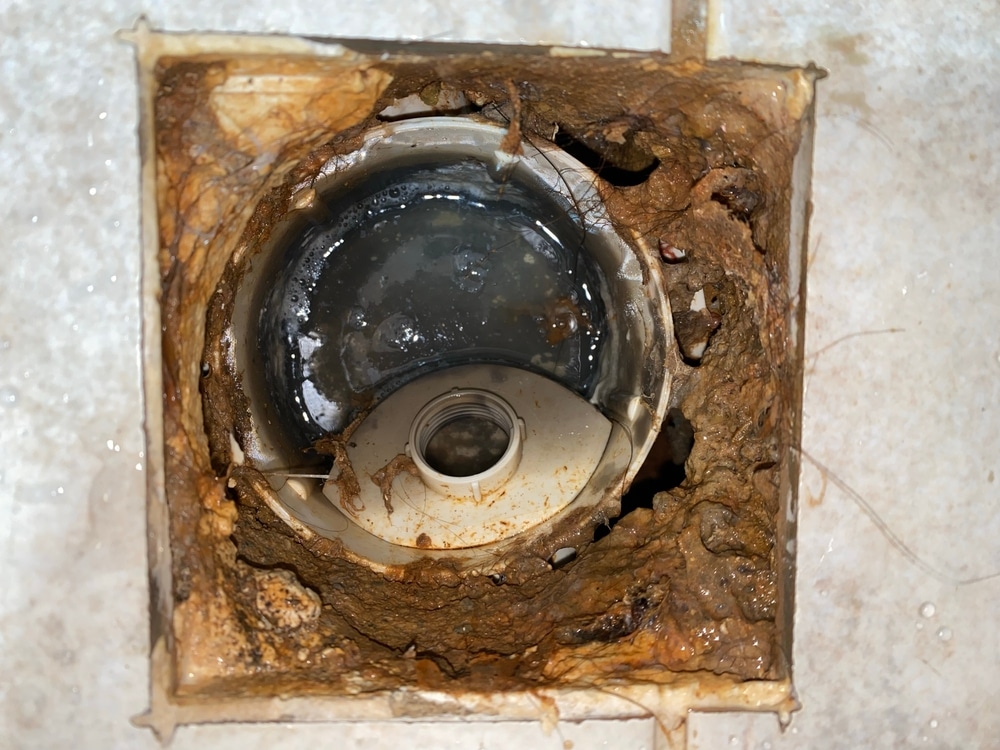
Biofilm is a slimy buildup of soap scum, hair, bacteria, and other organic matter. It can accumulate in drains, especially kitchen and bathroom drains, and emit a sewer-gas smell.
7. Heavy rain or flooding
Georgia experiences periods of heavy rainfall, which can overwhelm your plumbing system. When the ground gets wet, water can seep into your plumbing lines or back up into your drains, leading to sewage odors. If you notice this smell typically happens after heavy rain, you may have a problem with your drainage system.
8. Septic tank issues
Septic tanks need regular pumping every three to five years to prevent gases and sewage from backing up into your home. A malfunctioning, full, or cracked tank can leak into groundwater, causing sewage odors in your home.
9. Leaking or old pipes in crawl spaces
Pipes in crawl spaces are usually never thought about until something goes wrong. They can develop leaks, cracks, or loose connections, allowing sewer gases to escape. Since crawl spaces are enclosed, those sewer gases tend to build up and seep into your living areas through floor gaps or vents.
10. Improper bathroom or kitchen venting
If you don't have proper venting in your bathroom or kitchen, moisture and odors can cling to the walls, sometimes smelling like sewage. All bathrooms require a well-functioning exhaust fan.
How To Identify Where the Sewer Smell Is Coming From
It’s usually not hard to find where the sewer smell is coming from in your house. Start by finding which room or area smells the strongest. Get down near floor drains, toilets, sinks, and bathtubs to see if the odor is stronger near specific fixtures. Don't forget to check less obvious spots like your laundry room, basement floor drains, or under sinks where pipes could have small leaks.
You can also try the water test by running the water in all your drains for a few minutes. If the smell goes away, you could have had a dry P or S trap.
How To Get Rid of Sewer Smells in Your House
Try the following tips to get rid of sewer smells in your house:
- If the P-trap is the cause, running the water should resolve it.
- Pour baking soda and vinegar down all of your drains to remove the biofilm.
- Check and tighten any loose cleanout caps or pipe connections you can access safely.
- Make sure your toilet is securely fastened to the floor, and check for a loose wax ring.
If none of these fixes work, you may have a problem with your main water or sewer line, which requires professional attention.
When To Call a Plumber in Macon, GA

While some fixes for sewer gas smells in your home can be done DIY, contact Ricky Heath if you've tried basic troubleshooting and the smell persists. Also, if you notice sewage backing up into your home or see water damage or soggy spots in your yard, call a professional plumber. Issues with the main sewer line, vent pipes, or the septic system are best left to the pros.
Get Rid of the Sewer Smell in Your Home With Ricky Heath
Dealing with a sewer smell in your Macon home isn't fun, but it's usually fixable once you identify the source. If those DIY fixes above don’t solve your problem, the professional plumbers at Ricky Heath can help. Contact us today to schedule an appointment.
Frequently Asked Questions
Can broken sewer lines cause health problems?
Broken sewer lines can emit harmful gases and contaminate water sources, which can cause health problems associated with raw sewage exposure.
How can I tell if my sewer line is clogged?
Slow drains and frequent backups are common signs of sewer line clogs, especially if they affect multiple fixtures.